

Whole House Humidifiers: Pros and Cons
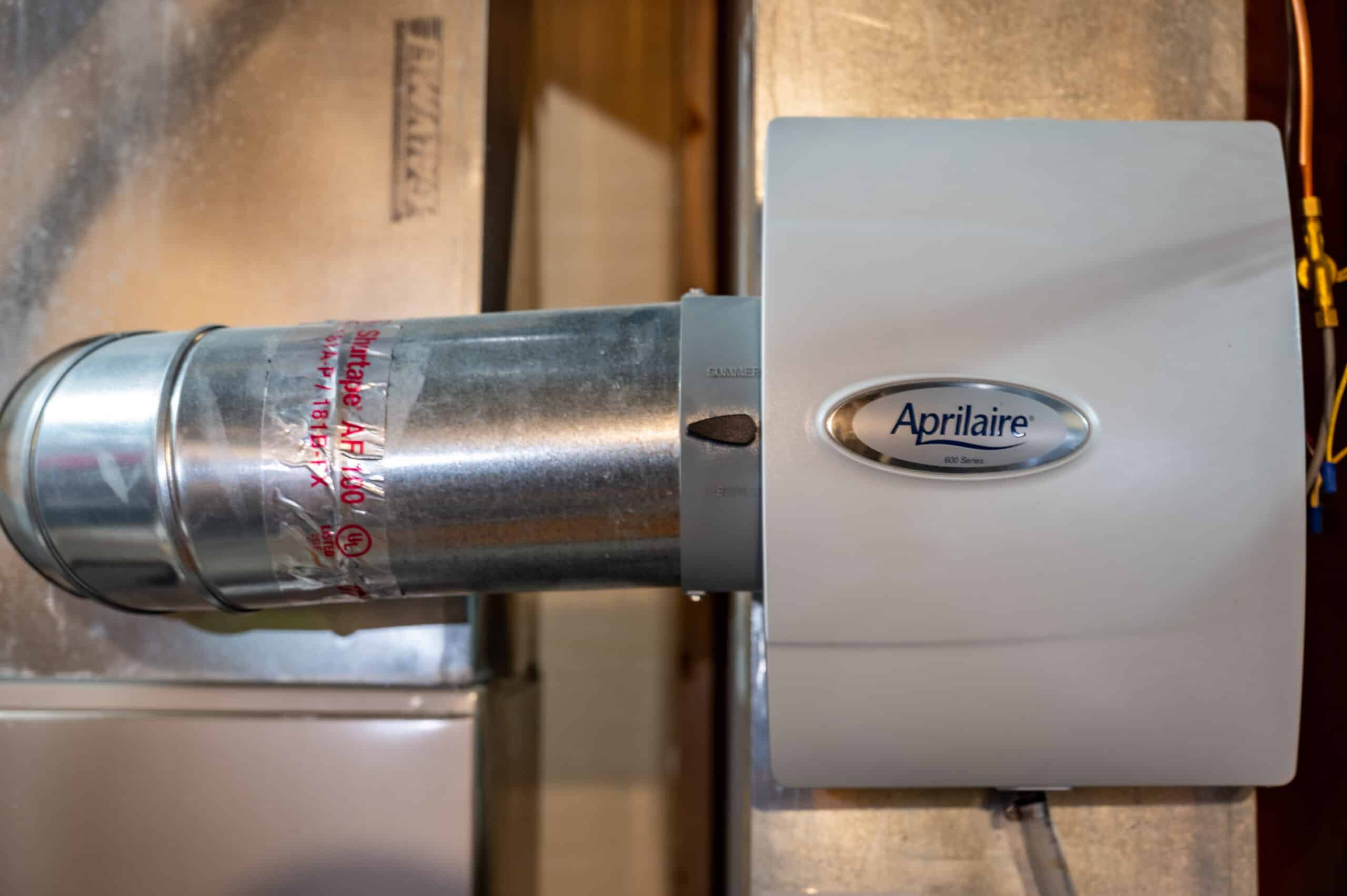
Indoor humidity is a critical, year-round consideration for your home and health. A whole house humidifier, which works in tandem with your HVAC system to evenly distribute moisture throughout your home, is a solution that offers a range of benefits.
Benefits of Whole House Humidifiers
The most significant advantage of these systems is their ability to improve air quality, which protects your home and promotes a healthy indoor environment. The benefits of whole house humidifiers include:
- Health improvements: Properly humidified indoor environments (ideally between 30% and 50%) will help reduce allergies, sore throats, dry skin, poor sleep, respiratory problems, and sinus irritations. Furthermore, proper humidity can prevent the growth of bacteria and viruses.
- Stable and efficient indoor conditions: Humid air feels warmer, saving you energy costs without compromising your comfort. Additionally, low humidity can also generate static electricity, which can sometimes affect electrical equipment and computers.
- Protects against high humidity: High humidity can lead to the growth of mold and mildew on surfaces like shower curtains, windowsills, or tiles, and black or dark green mold can reach deeper into building materials. Not only can this type of mold cause asthma or trigger allergies, but if it is not controlled, it eventually destroys the host material.
In serious cases, high humidity can weaken the structural integrity of your home. It can also damage paint or wallpaper, rot furniture, floors, and furnishings, and damage ceilings, walls, and brickwork. - Protects against low humidity: Wooden furniture and floors can suffer from the adverse effects of low humidity, such as cracking or warping. A whole house humidifier can help preserve your valuable assets, potentially saving you from costly repairs down the line.
Considerations & Drawbacks
The initial cost of purchasing and installing a whole house humidifier can be a significant investment, especially if modifications to your existing HVAC system are needed. It’s important to factor in this expense if you think a humidifier might improve your home environment. Additionally, whole-house humidifiers require regular maintenance to function correctly, such as changing filters and cleaning the unit.
A Plus Heating and AC can simplify this process, ensuring your humidifier stays in optimal condition with routine HVAC maintenance. Another key consideration is the potential for over-humidification, as excess moisture can lead to mold growth in the HVAC system or even inside a portable unit. To prevent this, it’s wise to invest in a humidifier with a built-in humidistat to effectively regulate humidity levels.
By addressing these factors, you can enjoy the full benefits of a whole house humidifier while avoiding potential issues.
Are Whole Home Humidifiers Worth it?
Ultimately, deciding whether a whole-house humidifier is suitable for your home depends on your specific needs and circumstances. If you frequently deal with dry air or have members of your household with respiratory issues, the benefits can easily outweigh the costs.
Consulting with our Berthoud residential HVAC contractors can help you determine the best tailored solution. Ask about our exclusive member service plan, which will allow you to enjoy priority service, 15% off future repairs, biannual maintenance visits, and 10% off all air quality products year-round. Schedule a time to discuss the right humidifier setup for your home so you can enjoy a cozy and healthy indoor atmosphere all year round.