

Dry Air, Wind, & Wildfire: Tips for Air Quality and HVAC Longevity in Colorado

In dry climates like Colorado, homeowners often face a unique set of challenges when it comes to indoor comfort. There’s far less humidity than other regions, which makes it easier to prevent water intrusion and mold, but the excessively dry and windy conditions can at times be just as problematic for health, comfort, and the longevity of your HVAC system. This blog will cover how to properly set up and maintain your HVAC system to deal with Colorado’s dry air, wind, and wildfires.
Dry Air
Arid environments can cause common indoor health symptoms, including dry skin, irritated eyes, allergies, and nosebleeds, along with other frustrating issues like static electricity buildup. Unlike the weather, which nobody can control, your indoor environment can be modified to help offset some of these annoying dry-air symptoms. Humidifiers automatically increase the humidity level in your home and come in a range of shapes and sizes, from standalone, one-room units to whole-home humidifiers that plug into your central HVAC system.
At A Plus, we recommend and install humidifiers from AprilAire. The whole-home unit is the best option for Colorado homeowners, as this area sees very low humidity and you will likely need humidity raised in every room. If you don’t have central HVAC, you can opt for a standalone unit, although this will be much less efficient than central humidifiers.
If you aren’t sure whether your home should be humidified, hygrometers are cheap, easy instruments to measure humidity. Or, you can look for signs in addition to common health issues, such as excessive static electricity, or lack of condensation on the outside of a cold glass of water.
Beyond humidifier units, here are some additional tips for combating Colorado’s dry air:
1. Install a Smart Thermostat with Humidity Sensors
Many modern smart thermostats now include humidity sensors and controls, allowing homeowners to monitor and adjust indoor moisture levels more precisely. Some systems even work in tandem with humidifiers to automate the process based on real-time conditions.
2. Add Air Filters and Purifiers
Dry air can exacerbate allergies and respiratory issues by allowing dust and allergens to stay airborne longer. Upgrading to HEPA filters or advanced whole-home filtration systems can help better capture pollen, viruses, pet dander, dust and other irritants more effectively.
3. Get More House Plants
Leafy indoor plants are a natural way to increase your home’s humidity levels. Plants are constantly transpiring, meaning they take in water through their roots and expel it as vapor from pores in their leaves. This extra water vapor raises the humidity in your home’s air.
4. Leave Your Toilet Cover Seats Up
This might seem strange, but any open, water-containing vessel will see that water evaporate and therefore increase humidity levels. If you followed tip number 3 and bought more house plants, leaving your seat up will help them get the water they need, too—it’s science!
Wind
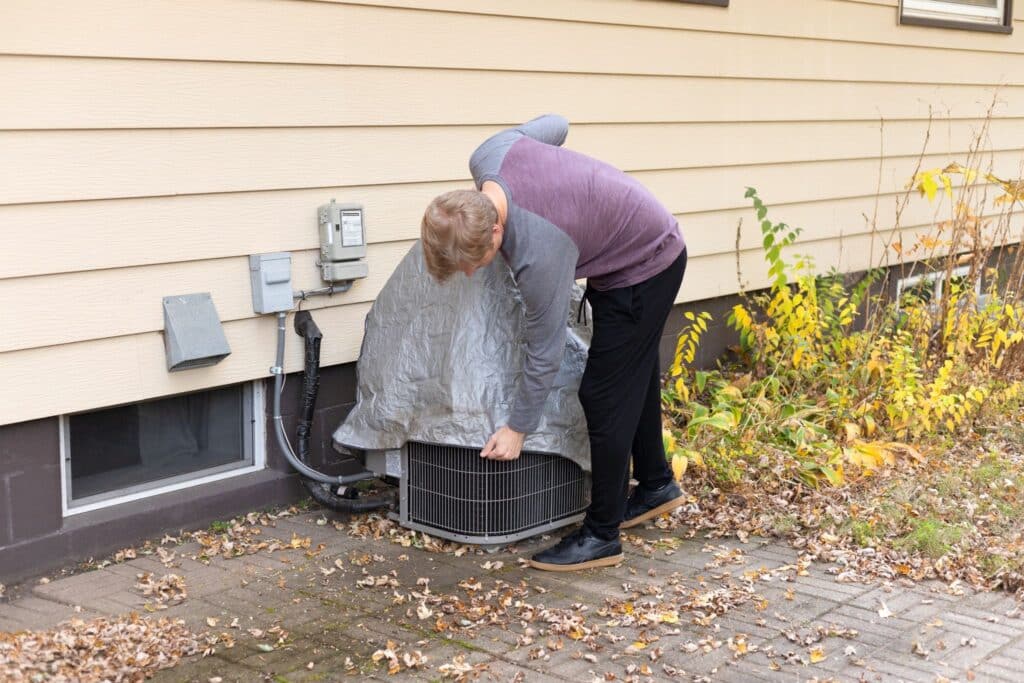
Northern Colorado can see exceptionally windy days, and sometimes weeks. Besides the obvious hazards of tree branches or other debris falling on your HVAC unit, there are wind-related performance concerns. Whether it’s chilly winter winds from the Arctic or the hot, chinook winds coming down the eastern slope during the summer, windy conditions force more air through your home, meaning your HVAC system has to work twice as hard to heat or cool that air.
HVAC Tips for Wind
- Avoid using your unit or setting it to extreme temperatures
If you can avoid using your HVAC system during high-wind stretches, that is the best option to prevent issues. However, since intense wind often comes with intense temperatures (hot or cold), this may not be the best or even safest option. Instead, just avoid cranking the heat or AC way up, as this will cause even more stress for your unit during an already stressful event.
- Add Windbreaks Around Your Unit
If you can, use fencing or plant tall, thick shrubs near your AC unit to block the most direct winds. This will mitigate some of the extra workload during high-wind events.
- Add a Cover for Your Unit
While you won’t need one every day, a properly fitted cover for your HVAC unit can come in handy during blizzards, bomb cyclones, red flag events, and other extreme weather. Covering the unit simply protects it from the harshest edge of whatever weather is going on, allowing it to work a little easier. Just be sure to remove it afterwards!
- Check Your Ductwork
Check ducts and other HVAC infrastructure after high-wind events. Winds can cause strain on and break the seal on ductwork. Leaky ductwork causes your HVAC to work overtime, and you won’t necessarily notice them unless they’re checked (until you open your next utility bill, that is). If you aren’t able to inspect your ducts or aren’t sure what to look for, contact A Plus for reliable HVAC inspection and maintenance!
Wildfires
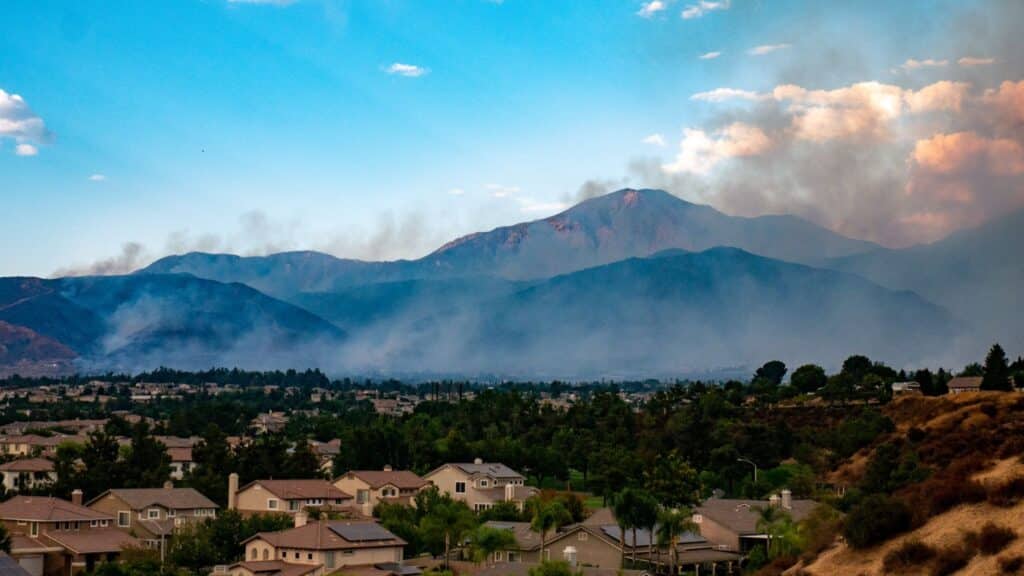
Wildfire season now stretches for most of the year in Colorado, and you don’t have to be near one to be affected by it. In fact, studies have shown that wildfire smoke gets more toxic over distance, so that smoke from Montana, California, or Utah isn’t just wrecking a perfectly good summer day; it can be actively harming your health. The good news is that there is more than one way to protect you and your family from smoke pollutants while indoors.
The best way to keep your air clean during smoky days is to install the highest-level air filter available. This would be HEPA filters, which stands for High Efficiency Particulate Air. You also want to look for a higher MERV rating. MERV is Minimum Efficiency Reporting Value, which refers to a filter’s ability to capture particulates of various sizes. Ranked on a scale of 1 to 20, where 20 will capture more of the tiniest particles, you want to opt for a HEPA filter with a MERV rating of 13 or above.
Alternatively, you can opt for a whole-home filtration system from AprilAire. These systems add an extra layer of filtration, with a pre-filter taking in dirty air, passing it through a middle carbon filter, and then finally through a HEPA filter. Over time, these systems will keep your HVAC system running more efficiently, with cleaner air for wildfire season, allergy season, or whenever you need it most.
Optimize Your Colorado HVAC System with A Plus
If you have any questions about how to prep your HVAC for drought, wind, wildfires, or any other extreme weather Colorado throws at you, call A Plus. We’re based in Berthoud and serve all of Northern Colorado with HVAC installations, repairs, advice, and always-attentive customer service. Give us a call today!